

GROUP PSYCHOTHERAPY
1. Understanding What’s Happening Right Now
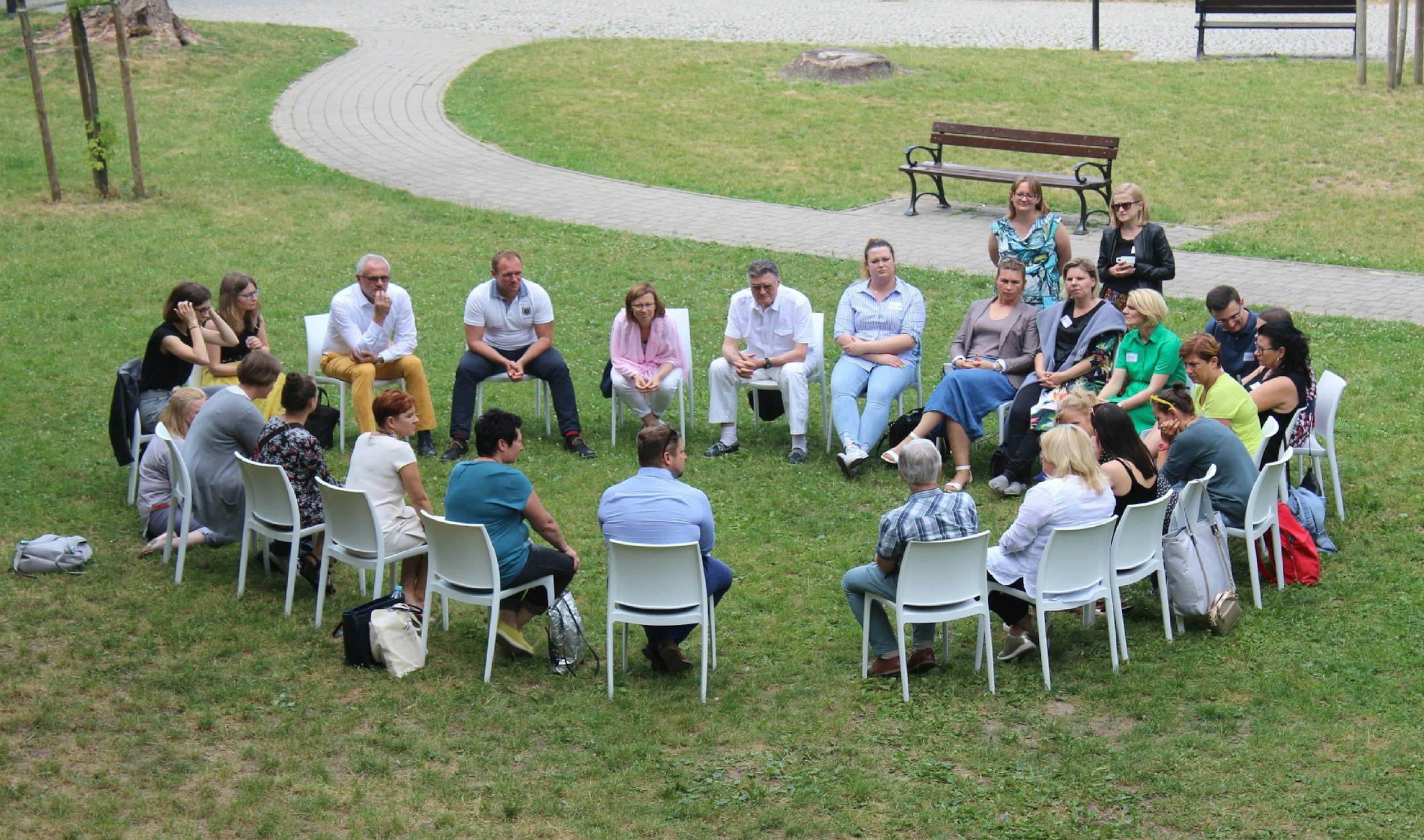
Group therapy begins by understanding what each person is experiencing in the present moment, within a shared space.
In the group, we focus on:
what you are feeling and noticing in real time
how emotions, stress, or pressure are showing up right now
how you respond in relationships and group interaction
what feels difficult, reactive, or overwhelming in the moment
how patterns appear while connecting with others
The benefit of group therapy at this stage is that you are not experiencing things alone. Hearing others describe similar struggles helps normalize your experience, reduce isolation, and create a sense of “I’m not the only one who feels this way.” This shared awareness builds the foundation for connection and trust.

2. Getting Into a More Stable Place Together
Before deeper change can happen, the group focuses on creating emotional safety, grounding, and stability through shared support.
This may include:
learning to regulate emotions in real time within a group setting
building comfort in speaking, listening, and being seen by others
reducing overwhelm through shared understanding and support
developing trust within the group environment
improving communication under emotional pressure
The benefit of group therapy here is that stability is not built alone. You begin to feel supported by others who are actively going through similar processes. People learn from each other’s coping strategies, receive real-time feedback, and experience the grounding effect of being heard, validated, and understood within a safe community.

3. Understanding What Got You Here (Through Relationships and Patterns)
Once stability is established, the group becomes a powerful space for understanding deeper emotional and relational patterns.
In the group context, we explore:
attachment patterns that show up between people
relational habits and communication styles
emotional triggers that arise in connection with others
patterns of avoidance, conflict, or withdrawal
shared and individual experiences that shaped these responses
The benefit of group therapy at this stage is insight through relationship. You don’t just talk about patterns—you see them live in real time with others. Group members often recognize similarities in each other’s experiences, helping normalize long-standing struggles while also gaining perspective from hearing different viewpoints. This creates deeper self-awareness and reduces shame.

4. Building Your Future Capacity Through Connection
The final stage focuses on applying everything learned into life outside the group setting.
We focus on:
practising new communication and relational skills
building confidence in expressing emotions and needs
improving relationships outside of therapy
strengthening resilience in social, family, and performance contexts
breaking long-standing emotional and relational cycles
using group insight to guide future decisions and growth
The benefit of group therapy here is real-world practice in a supported environment. The group becomes a training ground for healthier relationships—where you can experiment with new ways of responding, receive feedback, and build confidence. Many people also experience a lasting sense of community and connection, which reinforces growth long after sessions end.