First Responders
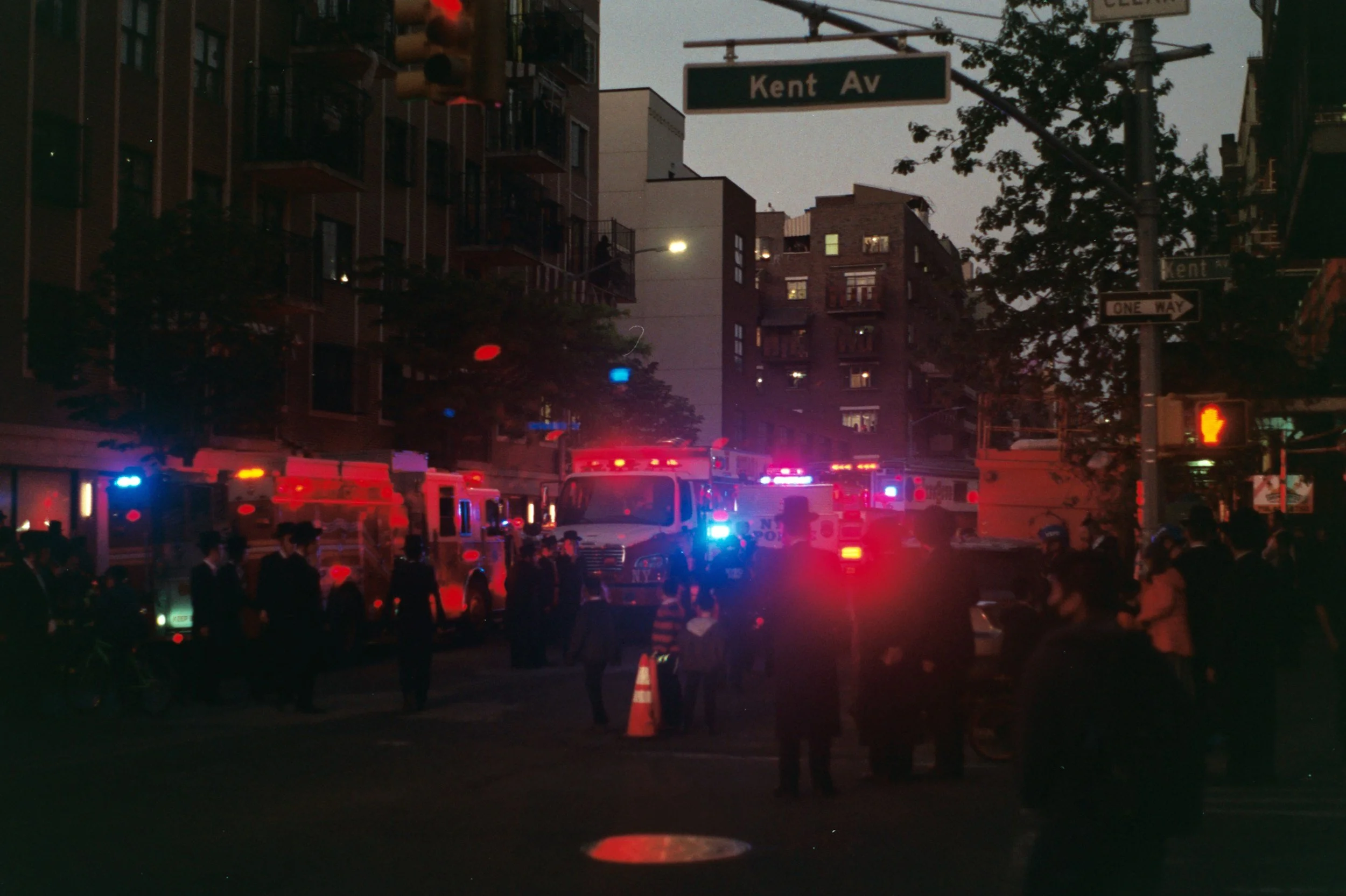
Paramedic · Fire · Police · Military Corrections
Therapy and recovery work built by a 12-year frontline paramedic for the people running toward what others run from. We help you stay sharp on shift — and become a person again off it.
You were trained for the call. Not for what it leaves behind.
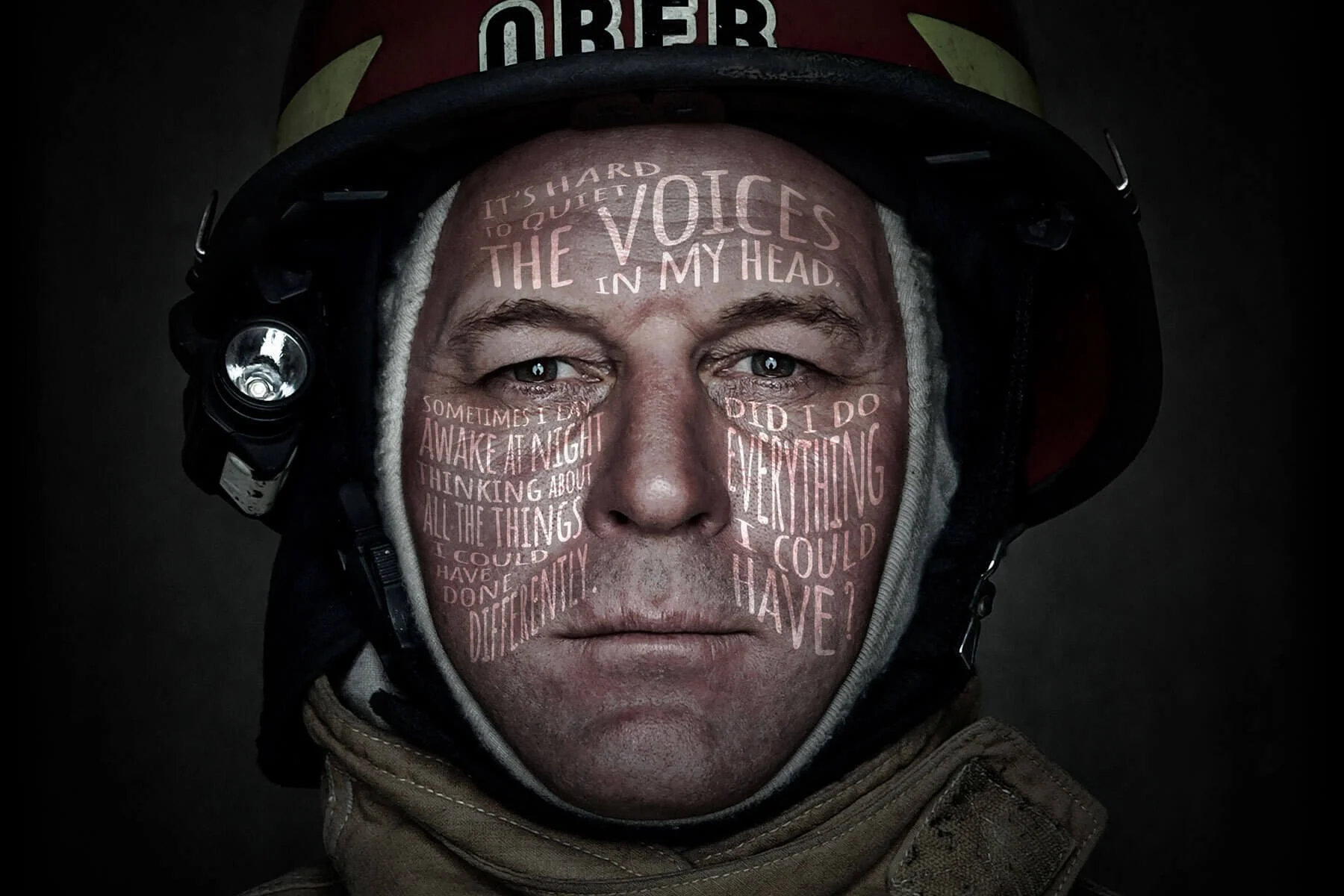
Carry the job. Don't carry it home.
The job asks for a nervous system that can perform on command. What it doesn't teach is how to stand that system down — how to come back to a partner, a child, a quiet room, and actually be there. Most first responders learn that part the hard way, alone. You don't have to.
"Courage is not the absence of fear, but rather the judgment that something else is more important than fear."
- The cost of waiting
The risk isn't one bad call. It's one situation after another that wont let go.
HIGH Alert bleeds into home
The scan that keeps you safe on shift doesn't shut off in your driveway.
Sleep stops working
Shift work, adrenaline, and unprocessed calls erode the recovery you depend on.
Identity narrows
You become the role. Off-duty, you don't quite know who's left.
Relationships strain
Partners and kids feel the version of you that came home — not the one that left.
Stress accumulates
What you didn't process doesn't disappear. It compounds.
The roadmap
How we work — built around shift life.
Confidential intake
A direct conversation. What the job is taking. What's been working and what hasn't.
01
Stabilize the basics
Sleep, regulation, post-shift decompression — the foundation everything else needs.
02
Process what stuck
Targeted work on the calls, losses or moments that are still running the show.
03
Build a sustainable career
A long-game plan: the routines, boundaries and identity work that let you stay in this job — or leave it well.
04
First Responder FAQ
-
Not at all. Many first responders seek therapy before their stress becomes overwhelming. Therapy can help with chronic stress, sleep difficulties, burnout, anxiety, emotional numbness, relationship challenges, performance under pressure, or simply having a confidential place to process what you've experienced. The earlier you address these challenges, the easier they are to manage.
-
Yes. Your privacy is one of the highest priorities in therapy. What you discuss during sessions remains confidential within the limits of professional and legal standards, which will be explained during your first appointment. Therapy is designed to be a safe, private space where you can speak openly without fear of judgment.
-
Absolutely. Therapy at KORR isn't about sitting and talking endlessly about emotions. It's a structured, practical process focused on understanding what's happening, building effective coping strategies, improving performance, strengthening relationships, and helping you function at your best. Many first responders appreciate having clear goals, practical tools, and a solution-focused approach.
-
If you've noticed you're bringing work home, struggling to switch off after shifts, sleeping poorly, feeling more irritable, emotionally disconnected, or finding that the job is beginning to affect your relationships or quality of life, it's a good time to talk with someone. You don't need to wait until things become unmanageable. Seeking support early is one of the strongest investments you can make in your health, your career, and the people who depend on you.
You Were Built to Serve. I Found My Purpose Serving You.
I know what it's like to wear the uniform because I wore one too. I understand the pressure, the responsibility, the shift work, the relationships, the family sacrifices, and the experiences that stay with you long after the call is over.
My time as a first responder didn't just shape who I am—it showed me where I'm meant to make the greatest difference. Today, my purpose is helping first responders build the resilience, mental strength, and recovery they need to thrive in their careers, their families, and their lives.
Because I've lived the job, I don't just understand what you do—I understand what it asks of you.
Next step
The strongest move isn't pushing through. It's getting equipped.
Book a confidential session with Patrick. No paperwork going back to your service. Just a clear conversation about what you're carrying, and what to do with it.