
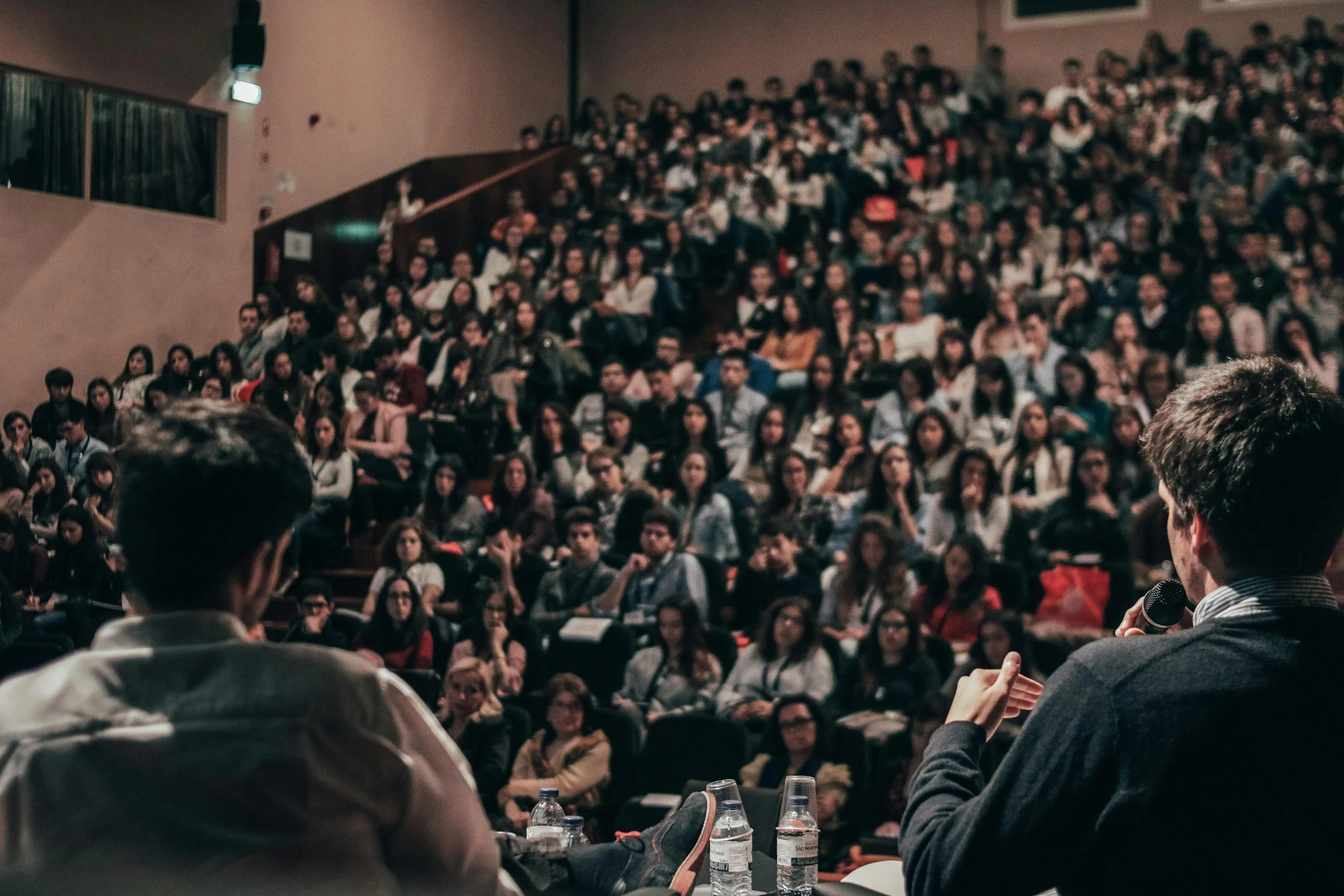
WORKSHOPS & PUBLIC SPEAKING
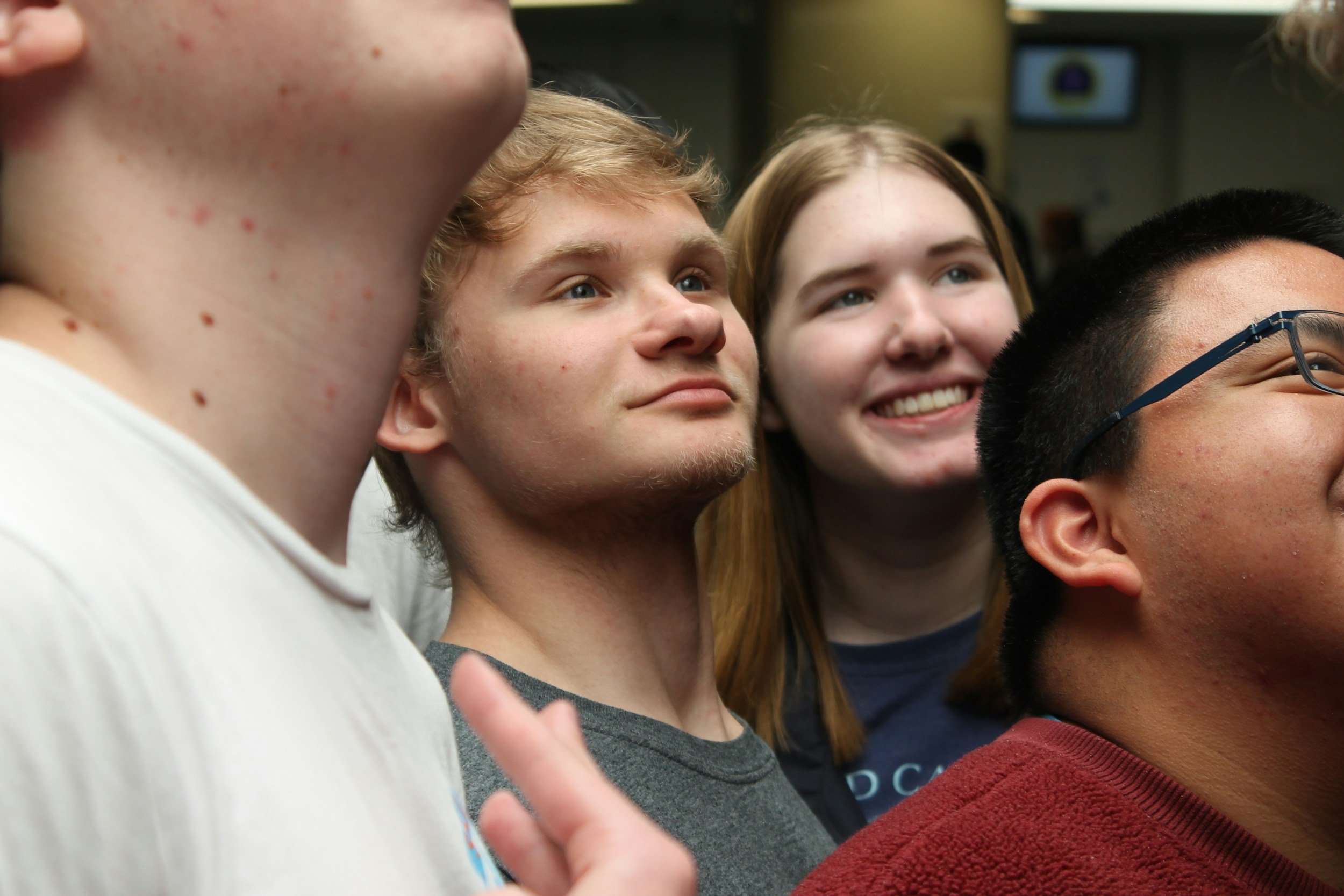
WHY BRING KORR INTO YOUR SCHOOL, TEAM, OR ORGANIZATION
KORR workshops and speaking engagements are designed for real-world impact across all ages and environments.
With experience working across:
teenagers and youth development
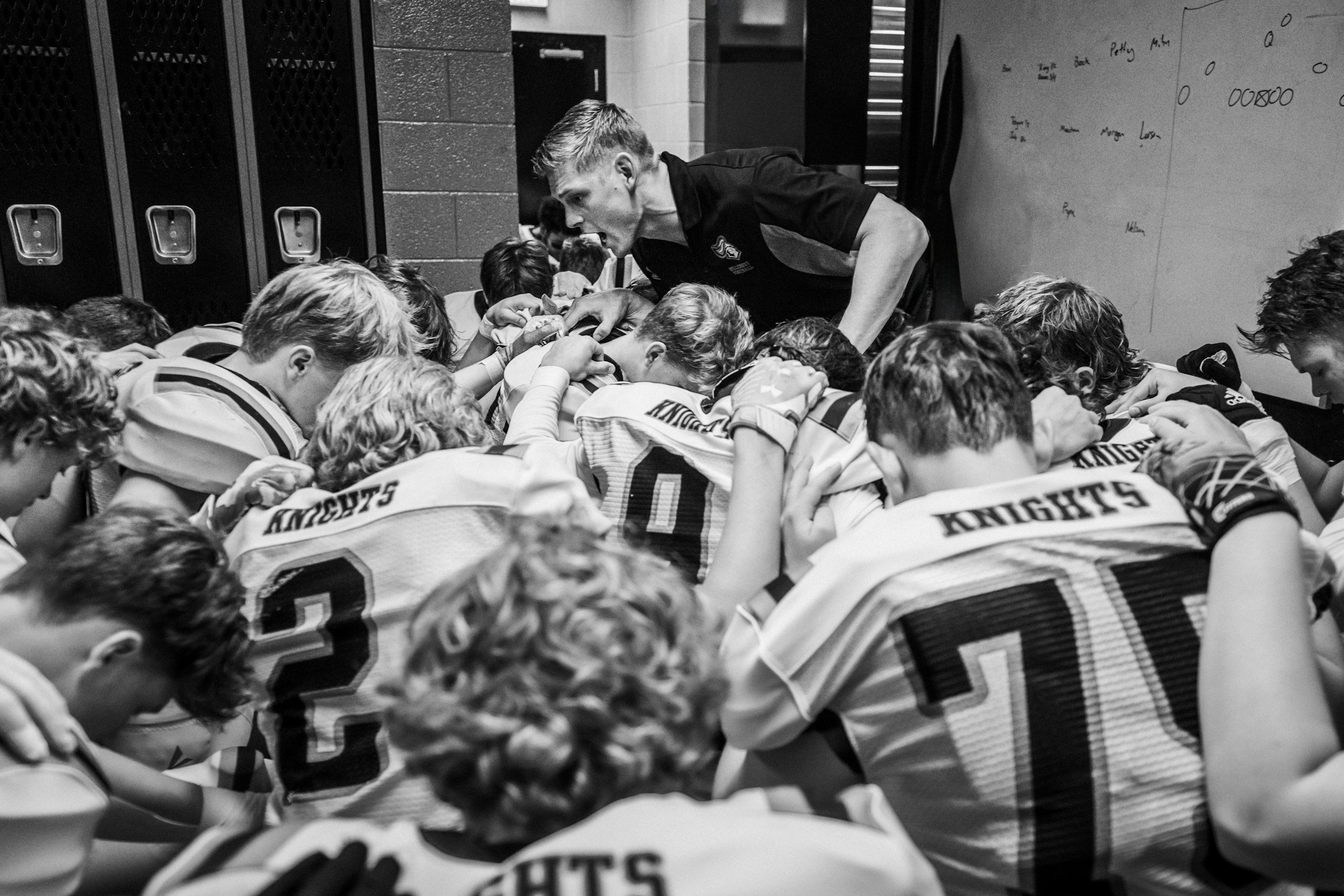
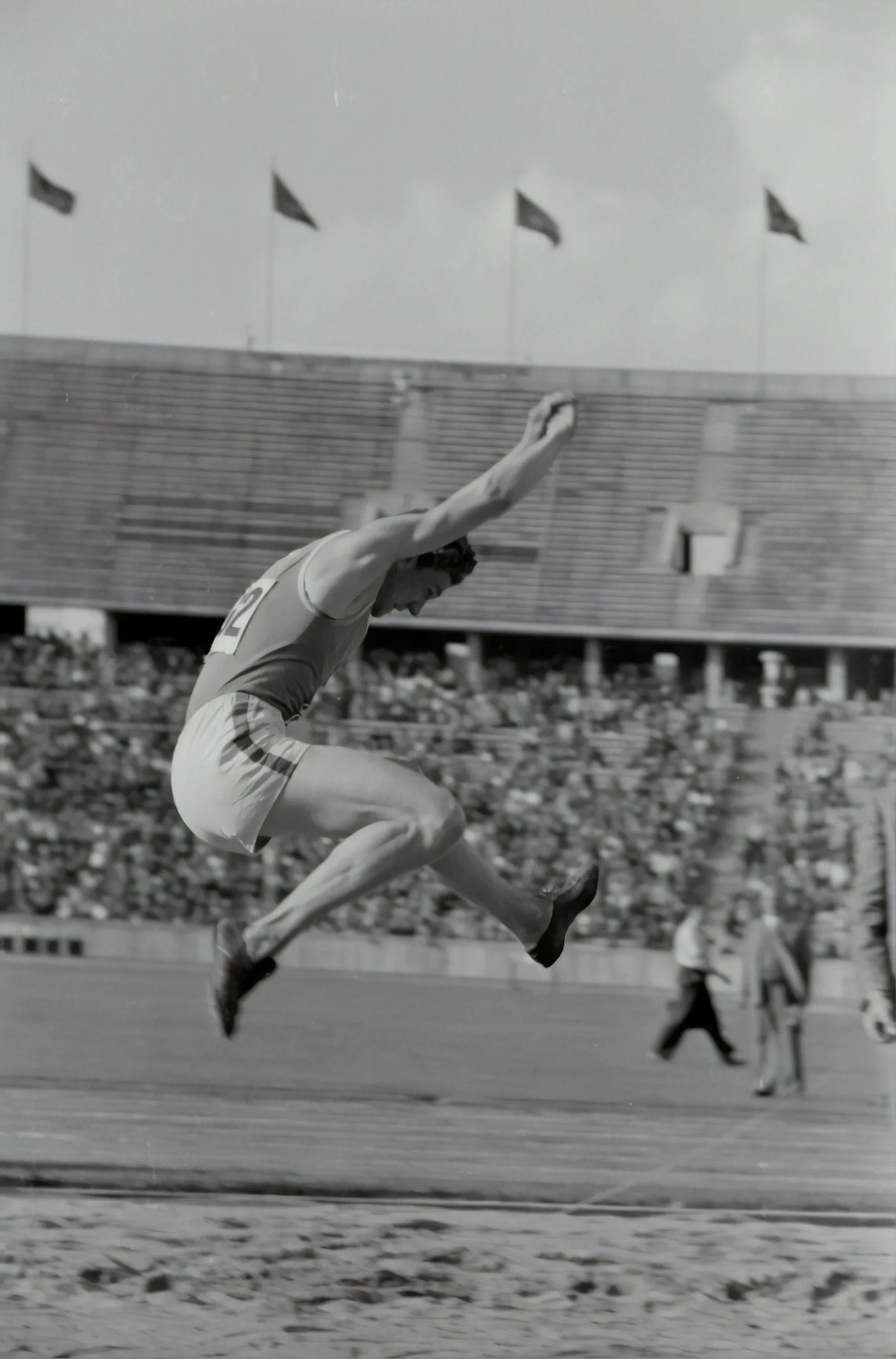
elite athletes and performance environments
parents and family systems
first responders and high-stress roles
workplace and business performance settings
The approach is adaptable, relatable, and grounded in real human behaviour and performance psychology.
People don’t just listen—they recognize themselves in the content.
This creates:
immediate engagement across all age groups
stronger communication within teams and families
improved emotional regulation under pressure
better understanding of behaviour and performance
practical tools that can be used immediately
Whether delivered in person or online, the goal is the same:
to help people understand themselves and others more clearly, and perform better in the environments that matter most.
Understanding What’s Happening Right Now
Workshops and speaking engagements at KORR begin by meeting people where they are—whether that is in a school, workplace, team environment, or community setting.
We focus on understanding:
the current pressures people are experiencing
emotional, behavioral, and performance challenges in real time
communication and relationship dynamics within the group
stress, burnout, motivation, and mental performance patterns
how individuals and teams are currently functioning
The goal is immediate relevance—making the content feel directly applicable to the lived experience of the group in front of us.
The benefit here is that people quickly realize the challenges they are facing are shared across others in the room. This normalizes struggle, reduces isolation, and creates instant engagement regardless of age or background.
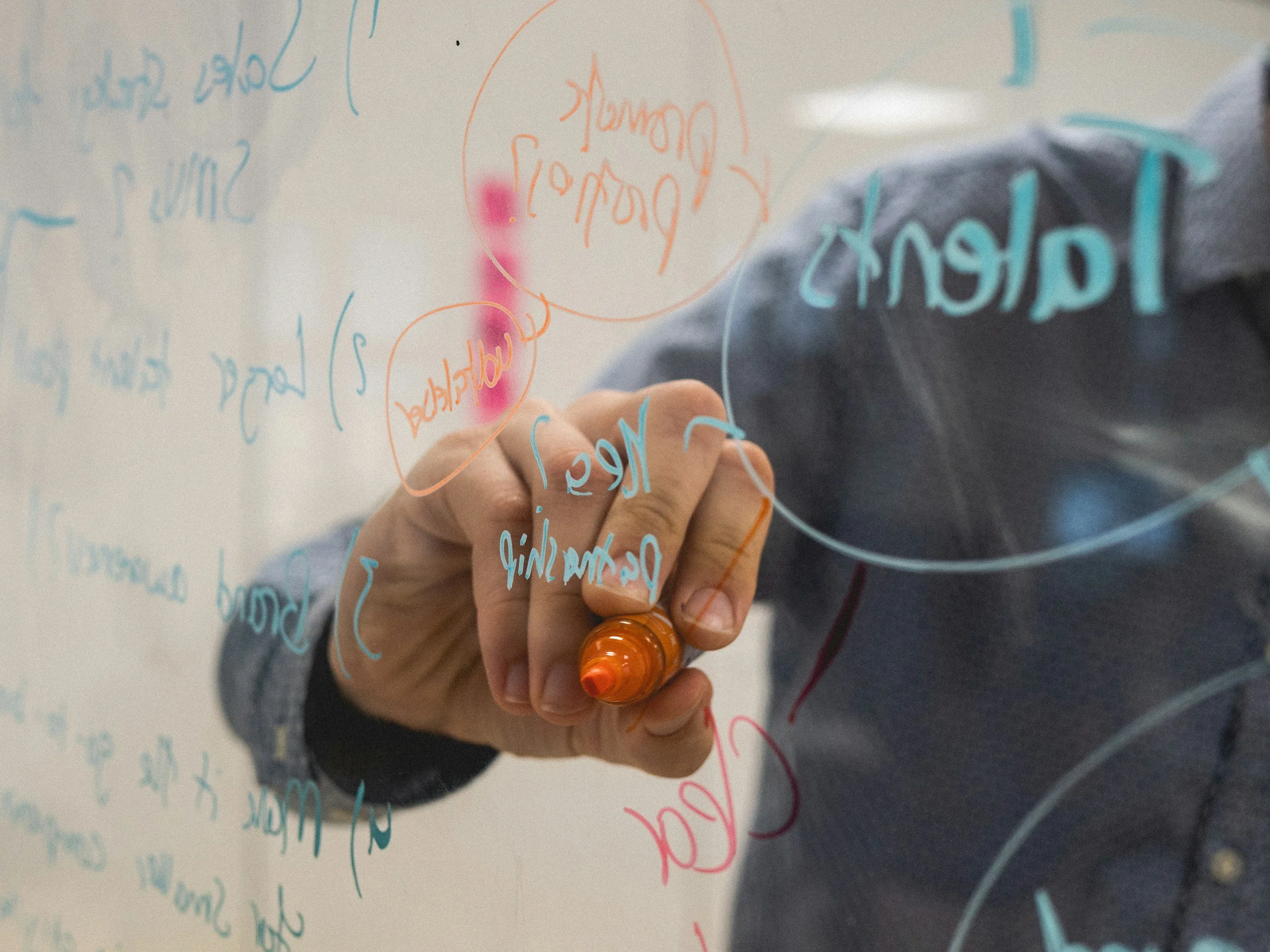
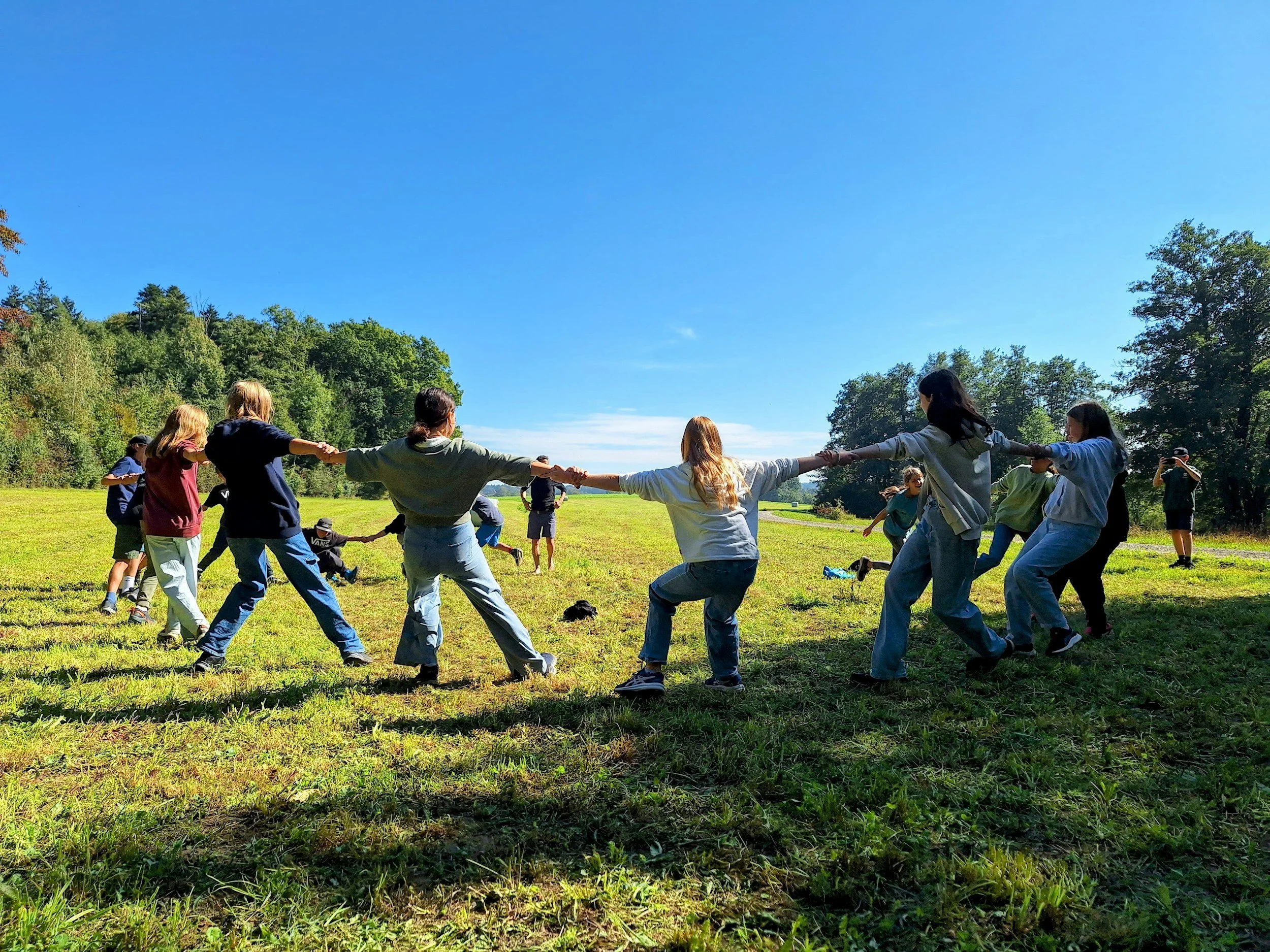
2. Getting Into a More Open and Connected Place
Before meaningful change can happen, the focus shifts to creating engagement, openness, and psychological safety within the group.
This may include:
breaking down barriers between individuals or team members
improving openness in communication and participation
creating a shared language around emotions and performance
increasing trust, attention, and presence in the room
helping people feel comfortable engaging honestly
The benefit of this stage is that groups begin to connect with each other, not just the speaker. Whether it is teenagers, athletes, parents, first responders, or corporate teams, people begin to realize they are not alone in their experiences. This creates immediate buy-in, attention, and relational connection within the group.
3. Understanding What Shapes Performance, Behavior, and Relationships
Once engagement is established, we move into understanding the deeper drivers of behavior and performance.
We explore:
emotional regulation under pressure
behavioral patterns in teams, families, or workplaces
communication breakdowns and relational dynamics
mindset, identity, and performance expectations
stress responses and decision-making under pressure
how past experiences shape current behavior and reactions
The benefit here is perspective and recognition. People begin to understand not just what they do, but why they do it. This creates powerful “aha” moments across all age groups—from teenagers to executives—because the principles are universally human.
4. Building Tools for Future Performance, Connection, and Growth
The final stage is about turning insight into practical tools that can be used immediately in life, work, sport, or relationships.
We focus on:
communication strategies that improve connection and performance
emotional regulation tools under pressure
leadership, accountability, and team dynamics
confidence, resilience, and mindset development
breaking unhelpful cycles in behaviour and performance
applying insights to real-world challenges
The benefit here is immediate application. Individuals and teams leave with practical strategies they can use the same day—whether in a classroom, workplace, training environment, or home life. Over time, this leads to improved performance, stronger relationships, and more resilient individuals and teams.